
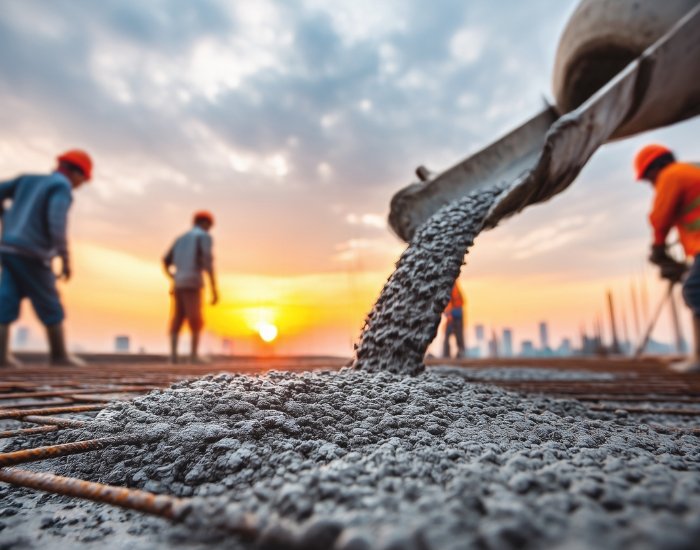
Concrete slabs are designed to be strong, stable, and long-lasting. However, in many parts of Texas, property owners often notice slabs that crack, tilt, or sink over time. This is not always caused by poor installation — in many cases, local soil conditions play a major role. Understanding why concrete slabs sink in Texas can help homeowners and property managers prevent damage, reduce repair costs, and maintain safer surfaces.
If you live in areas like Katy, Cypress, or Spring, you may already be familiar with shifting soil, seasonal moisture changes, and foundation movement. These environmental factors directly affect concrete performance across Texas.
Table of Contents
- What Causes Concrete Slabs to Sink in Texas
- How Texas Clay Soil Affects Concrete Foundations
- The Role of Water and Drainage Problems
- Warning Signs Your Concrete Slab Is Sinking
- How Professionals Fix Sinking Concrete Slabs
- How to Prevent Concrete Slab Settlement in Texas
- FAQs
- Final Thoughts
1. What Causes Concrete Slabs to Sink in Texas
Concrete slabs typically sink when the ground beneath them shifts, compresses, or erodes over time. In Texas, this problem is especially common because the soil reacts dramatically to moisture changes. Expansive clay soil swells when wet and shrinks when dry, creating uneven support under concrete surfaces. Other contributing factors include inadequate soil compaction during construction, heavy vehicles or structural loads stressing the concrete, water erosion beneath slabs, and the intrusion of tree roots. Unlike regions affected by freeze-thaw cycles, Texas experiences slab movement primarily due to soil moisture fluctuations. This movement can happen gradually over several months or suddenly after intense rainfall, which makes early identification essential for property protection.
2. How Texas Clay Soil Affects Concrete Foundations
Much of the Katy, Cypress, and Spring area sits on highly expansive clay soil, which poses unique challenges for concrete slabs. Clay soil acts like a sponge, absorbing water and expanding in wet periods while shrinking during dry spells. This constant expansion and contraction cycle creates unstable support for concrete foundations. Over time, even well-installed slabs can begin to settle or tilt as gaps form beneath them. Uneven moisture distribution, rapid soil expansion during storms, and soil shrinkage during droughts all contribute to long-term instability. Property owners often see cracks, uneven surfaces, or misaligned slabs as a result of these natural soil behaviors, emphasizing the importance of preventive measures and proper maintenance.
3. The Role of Water and Drainage Problems
Water is one of the leading causes of concrete slab sinking in Texas. When water accumulates around or under a slab, it softens and erodes the supporting soil, creating voids that lead to settling. Conversely, prolonged dry periods can cause soil to shrink, leaving gaps beneath the concrete. Poor yard grading, broken or clogged gutters, downspouts that discharge near slabs, underground plumbing leaks, and pooling water after storms all worsen the problem. Without proper drainage, soil under concrete surfaces becomes unstable, increasing the likelihood of cracks, tilting, and uneven surfaces. Maintaining effective water management around your property is essential to preventing slab sinking and preserving the integrity of your concrete surfaces.
4. Warning Signs Your Concrete Slab Is Sinking
Many property owners don’t notice slab movement until visible damage appears. However, early warning signs usually show up first.
Look for:
- Cracks forming across driveways or slabs
- Uneven or sloped concrete surfaces
- Water pooling near concrete edges
- Gaps forming between concrete and soil
- Trip hazards along sidewalks or walkways
If caught early, sinking slabs are often easier and more affordable to repair compared to full replacement.
5. How Professionals Fix Sinking Concrete Slabs
Modern repair methods focus on restoring support underneath the slab rather than removing and replacing concrete.
Professional repair methods may include:
- Slab lifting using specialized materials
- Void filling under concrete surfaces
- Soil stabilization techniques
- Structural reinforcement for heavy-load areas
These methods help restore original slab height, improve drainage slope, and reduce further soil movement impact.
In many cases, leveling is faster and less disruptive than replacement.
6. How to Prevent Concrete Slab Settlement in Texas
While soil movement cannot be fully stopped, property owners can reduce the risk of slab sinking by maintaining stable ground conditions.
Prevention tips include:
- Maintain consistent soil moisture levels
- Install proper drainage systems
- Keep gutters and downspouts clear
- Avoid overwatering landscaping near slabs
- Monitor early crack formation
Routine inspection helps identify small issues before they become structural problems.
7. FAQs
Q: Why do concrete slabs sink more in Texas than other states?
Concrete slabs sink more in Texas because expansive clay soil expands and contracts with moisture changes, causing ground movement under concrete.
Q: What causes driveway slabs to sink in Katy Texas clay soil areas?
Driveway slabs often sink due to soil shrinkage during dry seasons and water saturation during storms, which weakens soil support.
Q: Can poor drainage cause concrete slab sinking around homes in Cypress TX?
Yes, poor drainage can wash away soil under slabs, leading to voids and uneven concrete settlement.
Q: Is sinking concrete always a foundation problem in Spring Texas homes?
Not always. Many sinking slabs are surface-level soil support issues rather than structural foundation failures.
Q: How do professionals fix uneven concrete slabs without replacing them?
Professionals often lift slabs by stabilizing soil underneath and filling void spaces to restore proper elevation.
8. Final Thoughts
Concrete slab sinking is common across Texas due to soil movement, moisture changes, and drainage issues. The key to protecting concrete surfaces is understanding local soil behavior and addressing early warning signs quickly.
Routine inspection, moisture control, and proper drainage planning can significantly extend the life of concrete slabs. When issues appear, modern repair methods can often restore concrete without major replacement costs.
If you notice sinking, cracking, or uneven concrete, professional evaluation can help identify the root cause and prevent further damage. The team at Active Concrete Works provides inspections and concrete solutions designed for Texas soil conditions.