
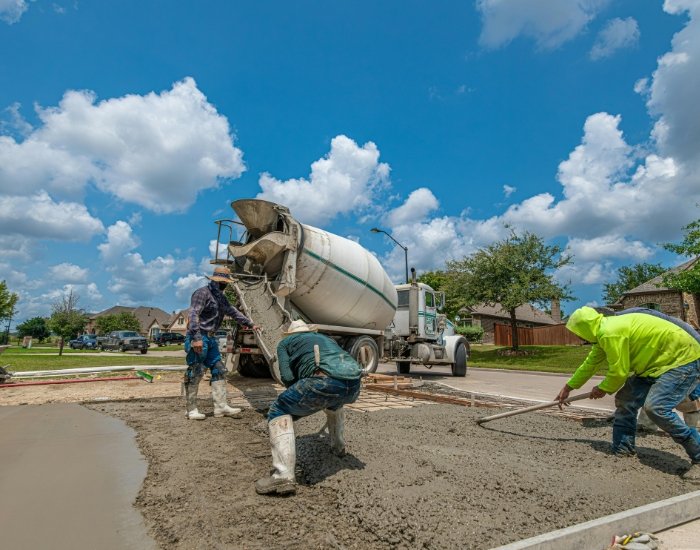
Concrete driveways are one of the most heavily used areas of a property. Over time, exposure to Texas weather, soil movement, and heavy vehicles can cause cracks, uneven surfaces, or sinking sections. Homeowners in areas like Katy, Cypress, and Spring often face the challenge of deciding whether to repair the damaged sections or replace the entire driveway. Making the right choice protects property value, enhances safety, and can save thousands of dollars over time.
This blog explores the difference between fixing and replacing a concrete driveway, the factors to consider, and the most effective repair strategies to maintain a safe, durable, and visually appealing surface.
Table of Contents
- Common Concrete Driveway Problems
- Signs Your Driveway Can Be Repaired
- When Driveway Replacement Is the Better Option
- Cost Comparison: Repair vs Replacement
- Repair Methods for Concrete Driveways
- Factors That Affect Longevity
- Safety Considerations and Property Value
- FAQs
- Final Thoughts
1. Common Concrete Driveway Problems
Concrete driveways are durable, but they are not immune to damage. Common problems include cracks, surface spalling, uneven slabs, sinking sections, and poor drainage. In Texas, expansive clay soils can cause movement under the driveway, leading to uneven or tilted surfaces. Heavy vehicles, frequent traffic, and extreme weather conditions also accelerate wear and tear. Water that pools on the surface or seeps under the concrete can erode soil, creating voids and further destabilizing the driveway. Understanding the specific problem is the first step in determining whether a repair or full replacement is needed.
2. Signs Your Driveway Can Be Repaired
Not every crack or uneven spot requires a complete replacement. Many concrete driveway problems can be repaired effectively if caught early. Signs that a repair is sufficient include:
- Hairline cracks or minor surface cracking
- Small settling or low spots
- Isolated spalling (surface flaking)
- Uneven areas less than two inches
- Localized staining or discoloration
Repairing these issues often involves patching, resurfacing, or leveling, which restores functionality and appearance without the higher costs of full replacement. Minor repairs can extend the life of the driveway by years and prevent more extensive damage.
3. When Driveway Replacement Is the Better Option
Replacement becomes necessary when the concrete is extensively damaged or the structural integrity is compromised. Typical scenarios that call for replacement include:
- Large cracks or multiple intersecting cracks
- Slabs that have sunk more than two inches
- Reinforcement (rebar or mesh) that is corroded or broken
- Water or drainage issues causing widespread instability
- Driveways that are outdated in thickness or design for current traffic
Replacing the driveway ensures long-term durability, eliminates recurring maintenance, and can improve property aesthetics. While the upfront cost is higher, it prevents frequent repairs and ensures a smooth, safe surface for vehicles and pedestrians.
4. Cost Comparison: Repair vs Replacement
Cost is a major factor when deciding between repair and replacement.
- Repairs: Repairing a concrete driveway is generally more cost-effective. Minor patching, crack filling, or leveling costs significantly less than full replacement, usually requiring less labor and materials. Repairs can often be completed in a day or two, minimizing disruption.
- Replacement: Full driveway replacement involves demolition, removal, preparation of the subgrade, pouring new concrete, and finishing. This requires more time, labor, and materials, making it considerably more expensive. Replacement can take several days to a week depending on slab size and curing time.
In many cases, repairing the driveway is the best option for moderate damage, while replacement is a longer-term solution for severe or recurring problems.
5. Repair Methods for Concrete Driveways
Several repair techniques can restore a driveway without full replacement:
- Crack Filling: Small cracks are cleaned and filled with a specialized sealant to prevent water infiltration and further damage.
- Patching: Spalled areas or larger cracks are removed and patched with fresh concrete or repair compounds.
- Slab Leveling: Sunken or uneven slabs are lifted using mudjacking or polyurethane foam injection to restore a level surface.
- Resurfacing: Applying a thin concrete overlay improves appearance and provides a smooth, uniform surface for minor wear and tear.
Professional contractors evaluate the driveway to determine which method or combination of methods will be most effective.
6. Factors That Affect Longevity
The lifespan of repairs or a replacement driveway depends on several factors:
- Soil Type: Expansive clay soil in Texas can continue to move, so proper subgrade preparation is essential.
- Drainage: Proper grading and drainage prevent water from pooling under the slab, reducing risk of future damage.
- Traffic Load: Driveways that regularly support heavy vehicles may require thicker concrete or reinforced slabs.
- Maintenance: Sealing cracks promptly and keeping the surface clean can significantly extend the life of repairs.
By addressing these factors, homeowners can maximize the durability of both repairs and replacement driveways.
7. Safety Considerations and Property Value
Cracked or uneven driveways create safety hazards for vehicles and pedestrians. Repairing or replacing concrete promptly reduces the risk of trips, falls, and vehicle damage. Well-maintained driveways also improve property curb appeal and value. Whether opting for repairs or replacement, a smooth, stable surface enhances both safety and aesthetics.
FAQs
1. How much does concrete driveway repair cost in Katy, TX?
Minor concrete driveway repairs such as crack filling or leveling usually cost 50–70% less than full replacement, depending on the size of the driveway and severity of damage.
2. Can sunken or uneven driveways in Cypress, TX be fixed without replacement?
Yes, sunken slabs can often be restored through slab leveling techniques, avoiding the need for full replacement.
3. How long does it take to repair a concrete driveway versus replacing it?
Repairing a driveway typically takes 1–2 days, while replacement may take 3–7 days depending on the slab size and curing requirements.
4. What are the signs that a driveway needs full replacement?
Large cracks, multiple intersecting cracks, sunken slabs more than two inches, corroded reinforcement, or widespread instability are signs that replacement is necessary.
5. Can repairing a concrete driveway extend its lifespan?
Yes, prompt repairs such as crack filling, patching, resurfacing, or leveling can extend the life of a driveway by several years while maintaining safety and aesthetics.
Final Thoughts
Deciding between repairing or replacing a concrete driveway requires careful evaluation of the damage, soil conditions, traffic load, and long-term property goals. Repairs are often more cost-effective and faster for minor to moderate damage, while full replacement ensures structural stability and long-term durability for severely compromised driveways.
Homeowners in Katy, Cypress, and Spring, TX can benefit from professional assessment to determine the best course of action. By addressing driveway issues promptly, property owners maintain safety, curb appeal, and investment value.
If your driveway is cracked, uneven, or sunken, the experts at Active Concrete Works can evaluate your property and recommend whether repair or replacement is the most effective solution. Contact us today for a free inspection and estimate.