
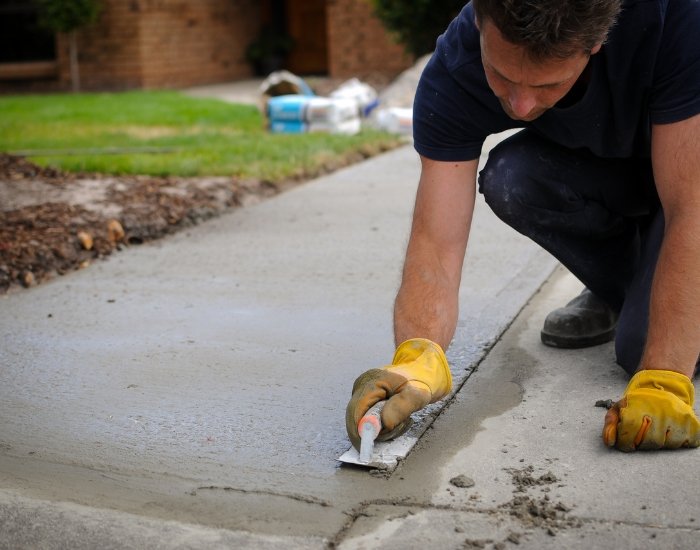
A concrete driveway is more than just a surface for vehicles; it’s a structural and aesthetic investment that enhances property value and curb appeal. Homeowners in Texas, particularly in areas like Katy, Cypress, and Spring, often wonder how long their driveways can endure under the state’s extreme climate and variable soil conditions.
Concrete is renowned for its durability, but its lifespan is influenced by factors such as soil type, moisture fluctuations, installation quality, load-bearing demands, and ongoing maintenance. This guide provides a comprehensive overview of the typical concrete driveway lifespan in Texas, common threats to longevity, and strategies homeowners can employ to maximize durability.
Table of Contents
- Average Lifespan of a Concrete Driveway in Texas
- How Soil Conditions Influence Durability
- The Impact of Weather and Climate Extremes
- Installation Practices That Affect Longevity
- Signs of Wear and Deterioration
- Maintenance Strategies to Extend Life
- Repair vs Replacement Decisions
- FAQs
- Final Thoughts
1. Average Lifespan of a Concrete Driveway in Texas
A professionally installed concrete driveway in Texas typically lasts 20 to 30 years, sometimes even longer with proper maintenance. This longevity surpasses asphalt and many other paving materials due to concrete’s inherent compressive strength and resistance to everyday wear. However, it is important to understand that these numbers represent ideal conditions. Local soil movement, fluctuating moisture levels, heavy vehicle loads, and environmental stressors can shorten a driveway’s service life if preventative measures are not taken.
2. How Soil Conditions Influence Durability
Texas soil, particularly expansive clay, poses one of the most significant challenges for concrete driveways. Expansive soil swells when wet and contracts during dry periods, creating pressure beneath the slab. Over time, this cyclical movement can cause uneven surfaces, cracks, and sinking. Driveways installed over inadequately prepared soil are more susceptible to early failure. Ensuring proper subgrade compaction, soil stabilization, and drainage are crucial for mitigating the effects of soil movement and prolonging the concrete’s lifespan.
3. The Impact of Weather and Climate Extremes
Texas homeowners must contend with wide-ranging climatic conditions, from intense summer heat to seasonal storms and occasional freezing temperatures. Excessive heat can cause concrete to expand and develop stress cracks, while rapid changes in moisture content contribute to soil movement beneath the driveway. Heavy rain or poor drainage can erode supporting soil, increasing the likelihood of settlement and uneven surfaces. A driveway designed with these conditions in mind—incorporating expansion joints, proper grading, and high-quality concrete mix—can resist climate-related damage more effectively.
4. Installation Practices That Affect Longevity
The quality of installation plays a pivotal role in determining how long a concrete driveway will last. Critical factors include:
- Concrete Mix Design: High-strength mixes with appropriate water-to-cement ratios increase durability.
- Subgrade Preparation: Properly compacted soil prevents uneven settling and void formation.
- Reinforcement: Steel rebar or wire mesh improves structural integrity, especially for driveways that bear heavy vehicles.
- Curing Practices: Adequate curing ensures the concrete reaches its optimal strength and resists cracking.
- Control Joints: Properly spaced joints allow for controlled cracking, reducing random surface fractures.
Driveways installed with these standards in mind can endure decades with minimal maintenance, even under challenging Texas conditions.
5. Signs of Wear and Deterioration
Even the most robust driveway will show signs of aging over time. Homeowners should monitor for:
- Cracking along joints, edges, or within panels
- Uneven settling or sunken sections
- Surface spalling or flaking
- Stains or discoloration caused by moisture or chemicals
- Ponding water on the surface
Early identification of these issues allows for interventions such as slab leveling, patching, or sealing, which can significantly extend the driveway’s functional life.
6. Maintenance Strategies to Extend Life
Proper maintenance is critical for maximizing the concrete driveway lifespan. Key strategies include:
- Regular Cleaning: Remove debris, oil stains, and plant matter to prevent surface damage.
- Seal Coating: Applying a high-quality sealant every few years protects the surface from water infiltration and chemical damage.
- Prompt Crack Repair: Fill hairline and minor cracks as they appear to prevent water penetration and soil erosion.
- Monitor Drainage: Ensure water flows away from the driveway to avoid pooling and soil destabilization.
- Weight Management: Avoid parking heavy trucks or equipment on residential slabs unless they were designed for such loads.
Consistent maintenance preserves both the structural integrity and visual appeal of the driveway.
7. Repair vs Replacement Decisions
When wear becomes noticeable, homeowners must decide whether to repair or replace the driveway. Minor cracks, small settled areas, or surface spalling often warrant concrete slab leveling or patching. Replacement becomes necessary when multiple slabs are heavily cracked, sunken, or structurally compromised. Consulting a professional contractor ensures the right choice, balancing cost, longevity, and safety.
8. FAQs
1. How long does a concrete driveway last in Katy, TX?
A well-installed concrete driveway typically lasts 20–30 years, depending on soil conditions, maintenance, and usage.
2. Can expansive Texas soil reduce the lifespan of my driveway?
Yes, clay-rich, expansive soil can cause cracks, sinking, and uneven surfaces, shortening the concrete driveway lifespan if not properly addressed.
3. How can I extend the lifespan of my concrete driveway in Cypress, TX?
Regular cleaning, sealing, crack repairs, and proper drainage management can significantly extend the driveway’s life.
4. When should I consider replacement instead of repair?
Full replacement is recommended when slabs are extensively cracked, severely sunken, or structurally compromised beyond minor leveling.
5. Does slab leveling prolong driveway life in Texas?
Absolutely. Slab leveling restores even surfaces, prevents water damage, and delays the need for full replacement, preserving the driveway’s functionality and aesthetics.
9. Final Thoughts
Understanding the expected concrete driveway lifespan in Texas allows homeowners to make informed decisions about maintenance, repairs, and replacement. While a properly installed driveway can last two to three decades, soil conditions, weather, and usage patterns play critical roles in longevity.
For homeowners in Katy, Cypress, and Spring, TX, the team at Active Concrete Works provides expert assessments, slab leveling, and full concrete services. By addressing early signs of wear and implementing proactive maintenance, your driveway can remain durable, safe, and visually appealing for decades.