
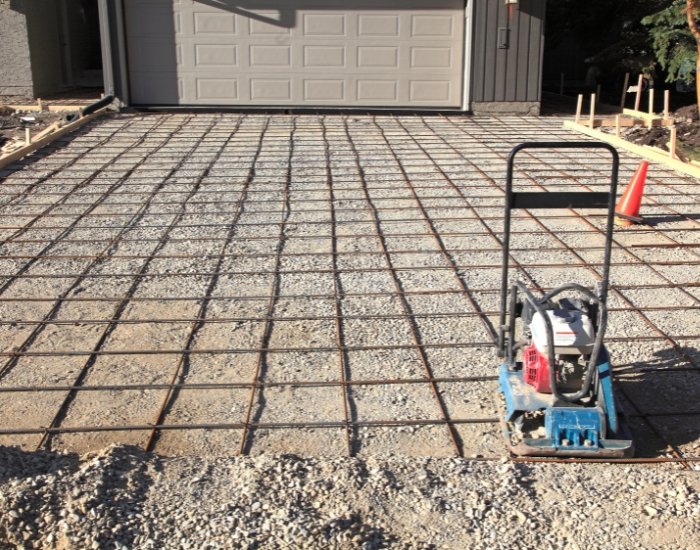
Concrete driveways are a major investment for homeowners, providing a durable, safe, and visually appealing surface. However, in many areas of Texas—including Katy, Cypress, and Spring—the underlying soil can create significant challenges. Expansive Texas soil, which swells when wet and shrinks when dry, often leads to cracking, sinking, and uneven driveways.
Understanding how local soil conditions affect concrete surfaces is essential for homeowners to prevent damage, maintain safety, and extend the lifespan of their driveways. This guide explains the science behind expansive soil, how it impacts concrete driveways, and the practical solutions available.
Table of Contents
- What Makes Texas Soil Expansive
- How Swelling and Shrinking Soil Affects Driveways
- Common Concrete Driveway Issues from Soil Movement
- Assessing Soil-Related Damage Before Repair
- Long-Term Solutions for Driveway Stability
- Tips for Preventing Soil-Related Concrete Damage
- Frequently Asked Questions
- Final Thoughts
1. What Makes Texas Soil Expansive
Many regions in Texas sit on clay-rich soil, which has a high capacity to absorb water. Unlike sandy or loamy soils, clay particles expand significantly when they become wet and contract as they dry. This cyclical swelling and shrinking creates movement in the soil, which can destabilize structures built on top of it.
Expansive soil is particularly prevalent in Katy, Cypress, and Spring because of the combination of clay content, seasonal rainfall, and drought periods. Homeowners may notice small cracks forming after wet seasons or more pronounced sinking during dry spells. The soil movement is gradual, but repeated cycles eventually create uneven surfaces and stress points in concrete driveways.
2. How Swelling and Shrinking Soil Affects Driveways
Concrete is strong in compression but weak in tension. When expansive soil moves beneath a slab, it exerts uneven forces on the concrete. This can result in several types of damage:
- Cracking: Small hairline cracks often appear first and can expand over time.
- Sinking or Settling: Sections of the driveway may drop as soil shrinks or erodes.
- Tilting or Uneven Surfaces: Slabs may shift, creating slopes or trip hazards.
- Joint Separation: Expansion and contraction can cause joints to open or widen.
The problem is compounded in areas with inconsistent drainage. Water pooling near the driveway accelerates soil expansion, while drought periods increase soil contraction. Even well-installed concrete is susceptible if the subgrade is not properly prepared or compacted.
3. Common Concrete Driveway Issues from Soil Movement
Expansive Texas soil leads to distinct problems that homeowners should watch for:
- Cracks along edges or joints: Indicate differential movement under the slab.
- Sunken panels: Sections that appear lower than surrounding concrete.
- Spalling or flaking: Surface layer of concrete peeling due to stress.
- Ponding water: Low spots trap water, accelerating soil and slab damage.
- Gaps between concrete and soil: Indicates voids forming under the slab.
Recognizing these early signs is crucial. Left untreated, minor cracks can worsen, creating larger sections of uneven or unstable concrete that pose safety risks.
4. Assessing Soil-Related Damage Before Repair
Before deciding on a repair approach, it’s important to understand whether the concrete driveway issues are caused by expansive soil or other factors. Homeowners should begin by inspecting cracks, slopes, and any displaced slabs to identify areas under stress. Observing drainage patterns around the driveway is equally important, as poor water flow can worsen soil movement. Checking for soil erosion or voids beneath the slab can reveal underlying instability that may not be obvious from the surface. Many professional contractors also use specialized equipment to lift and stabilize sunken sections, ensuring that any repair addresses the root cause rather than just surface damage. A thorough evaluation helps determine whether slab leveling, partial repair, or full replacement will provide the best long-term solution.
5. Long-Term Solutions for Driveway Stability
Addressing concrete driveway damage caused by expansive Texas soil requires solutions that go beyond surface-level fixes. One effective method is slab leveling, which lifts and stabilizes existing concrete by filling voids beneath the slab with polyurethane foam or mudjacking materials. In cases of severe cracking or structural compromise, full replacement may be necessary, involving removal of the old concrete, proper subgrade preparation, and installation of reinforced slabs. Soil stabilization techniques, such as adding lime, cement, or other stabilizing agents, can also reduce the extent of soil movement under the driveway. Improving drainage is another key strategy—grading adjustments, swales, or gutter installations help divert water away from the concrete to minimize swelling.
Finally, the use of strategically placed expansion joints allows the driveway to shift slightly without cracking, providing additional durability. Implementing these measures ensures the driveway remains level, functional, and safe, even in areas with challenging soil conditions.
6. Tips for Preventing Soil-Related Concrete Damage
Proactive maintenance can reduce the impact of expansive soil on concrete driveways:
- Maintain consistent moisture around the driveway to avoid extreme soil contraction.
- Keep gutters, downspouts, and drainage systems clear to prevent water pooling near slabs.
- Avoid planting large trees too close to the driveway; roots can exacerbate soil movement.
- Seal minor cracks promptly to prevent water infiltration and further expansion.
- Schedule regular inspections with a professional contractor to identify potential issues early.
Following these preventive measures can extend the lifespan of a concrete driveway and minimize costly repairs.
7. Frequently Asked Questions
1. How does expansive Texas soil damage concrete driveways in Katy and Cypress?
Expansive clay soil absorbs water and swells, then shrinks during dry periods, causing cracks, uneven slabs, and settling in concrete driveways.
2. Can small driveway cracks be repaired without full replacement?
Yes, minor cracks and sinking sections can often be repaired using slab leveling, patching, or resurfacing techniques.
3. How do drainage problems worsen concrete driveway damage?
Poor drainage allows water to pool around the driveway, increasing soil expansion and void formation beneath the concrete.
4. Is it better to level or replace a driveway affected by expansive soil?
If the damage is minor or moderate, slab leveling can restore the surface. Severe cracks, sunken slabs, or compromised reinforcement usually require full replacement.
5. What maintenance steps help prevent soil-related driveway damage in Texas?
Regular inspections, proper drainage management, crack sealing, and maintaining consistent soil moisture can reduce the risk of driveway damage.
8. Final Thoughts
Expansive Texas soil poses a unique challenge for concrete driveways, leading to cracking, uneven surfaces, and sinking over time. Understanding how soil movement affects your property is the first step in protecting your investment. Homeowners who address early signs of damage, improve drainage, and work with experienced professionals can extend the life of their concrete surfaces while avoiding costly full replacements.
For driveway repairs or replacements tailored to Texas soil conditions, the team at Active Concrete Works offers expert evaluations, slab leveling, and full concrete solutions. Contact us today to schedule a free inspection and protect your driveway for years to come.