
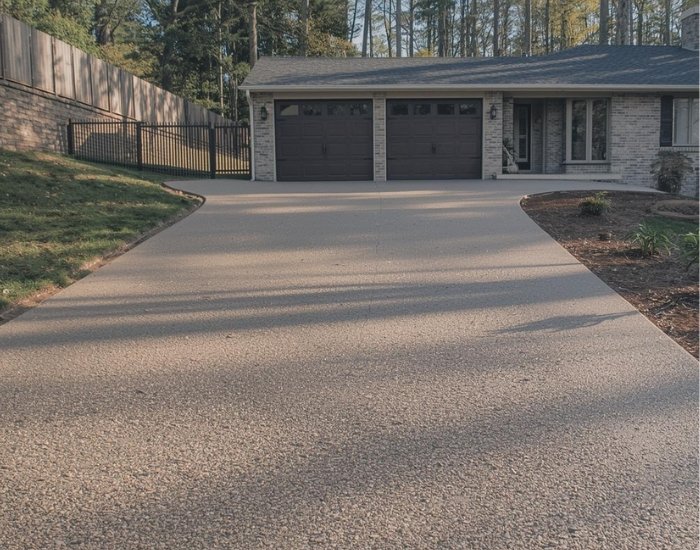
Concrete with exposed aggregate has become one of the most visually appealing and durable decorative concrete finishes used in residential and commercial construction. Instead of a smooth, plain surface, exposed aggregate concrete reveals natural stones, pebbles, or crushed materials within the mix, creating texture, slip resistance, and a high-end appearance.
Property owners across Texas, including Katy, Cypress, and Spring, are increasingly choosing exposed aggregate for driveways, patios, sidewalks, and pool decks. The finish not only improves curb appeal but also provides excellent durability against heavy traffic, weather extremes, and soil movement common in the region.
This guide explains what concrete with exposed aggregate is, how it’s installed, its benefits, maintenance requirements, and how to decide if it’s the right option for your property.
Table of Contents
- What Is Concrete With Exposed Aggregate
- How Exposed Aggregate Concrete Is Installed
- Benefits of Choosing Exposed Aggregate Concrete
- Design Options and Customization Choices
- Where Exposed Aggregate Works Best
- Maintenance and Longevity Expectations
- Cost Factors and Value Considerations
- FAQs
- Final Thoughts
1. What Is Concrete With Exposed Aggregate
Concrete with exposed aggregate is a decorative concrete finish where the top layer of cement paste is removed to reveal the natural aggregate materials underneath. These aggregates can include natural stones, quartz, granite chips, river rock, or crushed gravel.
Unlike traditional smooth concrete finishes, exposed aggregate creates a textured surface that adds both visual interest and functional grip. The finish is achieved by carefully controlling the curing process and washing away the surface paste at the right time, allowing the stones to become visible without weakening the structural integrity of the slab.
This type of concrete is commonly used in decorative residential applications, but it also performs well in commercial environments because of its durability and slip resistance.
2. How Exposed Aggregate Concrete Is Installed
Installing exposed aggregate concrete requires precision timing and skilled finishing techniques. The process begins with preparing and grading the site to ensure proper drainage and a stable foundation. Once the base is ready, concrete containing decorative aggregates is poured and leveled.
After placement, contractors allow the concrete to partially set. Then, they use surface retarders or controlled washing techniques to remove the top cement layer and expose the embedded stones. The surface is then sealed to protect against moisture penetration, stains, and wear.
Because timing is critical, installation should be handled by experienced professionals. Improper exposure can lead to loose aggregate, uneven texture, or reduced durability.
3. Benefits of Choosing Exposed Aggregate Concrete
Concrete with exposed aggregate offers several performance and aesthetic advantages compared to traditional finishes. One of the biggest benefits is slip resistance. The textured surface provides better traction, making it ideal for wet environments like pool decks and walkways.
Another major advantage is durability. Because aggregates are naturally strong materials, they enhance the concrete’s resistance to wear, heavy traffic, and weather exposure. Additionally, exposed aggregate requires minimal long-term maintenance when properly sealed.
From an aesthetic standpoint, exposed aggregate creates a premium look that enhances property value. The natural stone appearance blends well with landscaping, modern architecture, and traditional home designs.
4. Design Options and Customization Choices
One of the most attractive aspects of concrete with exposed aggregate is its design flexibility. Homeowners can choose from various aggregate sizes, colors, and stone types to match their property’s style.
Customization options often include:
• Natural river rock for a classic look
• Crushed granite for modern finishes
• Colored concrete base for contrast
• Mixed stone blends for unique textures
• Light or dark sealers for enhanced color depth
These options allow property owners to create surfaces that are both functional and visually distinctive, making exposed aggregate popular in both residential and commercial design projects.
5. Where Exposed Aggregate Works Best
Concrete with exposed aggregate is versatile and performs well in multiple environments. It is especially popular for driveways because it provides both durability and curb appeal. Many homeowners also choose it for patios and outdoor entertainment areas because it blends naturally with landscaping.
Other ideal applications include:
• Pool decks due to slip resistance
• Walkways and sidewalks for traction and durability
• Entryways for decorative curb appeal
• Commercial storefronts for high-traffic durability
Because of its strength and appearance, exposed aggregate works well anywhere traditional concrete is used but where aesthetics are also important.
6. Maintenance and Longevity Expectations
Maintaining exposed aggregate concrete is relatively simple. Routine cleaning with water and mild detergent removes dirt and debris. Sealing the surface every few years helps maintain color vibrancy and protects against moisture and staining. With proper installation and maintenance, exposed aggregate concrete can last 25–40 years or longer. Factors like climate, soil movement, traffic load, and maintenance frequency influence lifespan. In Texas environments, proper sealing is especially important to protect against heat, moisture changes, and soil movement.
7. Cost Factors and Value Considerations
Concrete with exposed aggregate typically costs more than standard broom-finished concrete because of the decorative aggregates and additional finishing labor required. However, the long-term value often offsets the initial investment due to durability and reduced maintenance needs.
Cost factors typically include:
• Aggregate material type and quality
• Surface preparation and grading
• Labor and finishing complexity
• Sealing and protective coatings
• Project size and accessibility
Working with experienced contractors, like Active Concrete Works, helps ensure accurate cost estimates and long-lasting results.
8. FAQs
1. Is concrete with exposed aggregate more durable than regular concrete driveways?
Yes, exposed aggregate often improves surface durability because natural stones are highly wear-resistant.
2. Is exposed aggregate concrete slippery when wet?
No, the textured surface provides better traction than smooth concrete, making it safer for walkways and pool areas.
3. How long does exposed aggregate concrete last in Texas weather?
With proper sealing and maintenance, it can last several decades even in hot climates and shifting soil conditions.
4. Can exposed aggregate be repaired if damaged?
Minor surface repairs are possible, but severe damage may require partial replacement for consistent appearance.
5. Is exposed aggregate worth the extra cost for residential driveways?
Many homeowners choose it because it combines durability, safety, and premium appearance in one surface.
9. Final Thoughts
Concrete with exposed aggregate is an excellent choice for property owners who want a balance of durability, safety, and decorative appeal. Its textured surface improves traction, enhances aesthetics, and withstands heavy use and harsh weather conditions. When installed correctly and maintained properly, exposed aggregate provides long-term value and performance.
For homeowners and businesses in Texas service areas, working with experienced contractors ensures proper installation and lasting results. Choosing the right materials, aggregate type, and finishing method will help maximize both performance and appearance.
If you’re considering concrete with exposed aggregate for your driveway, patio, walkway, or commercial space, working with experienced professionals makes all the difference. The team at Active Concrete Works provides expert installation, honest estimates, and concrete solutions designed to handle Texas soil and climate conditions. Contact us today to schedule your inspection and get started on a durable, visually striking concrete surface built to last.