
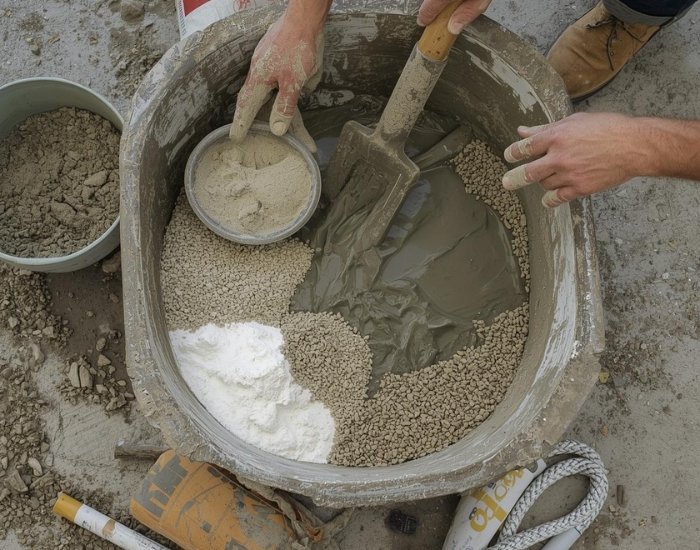
Small concrete repairs are common around homes and commercial properties. Whether you are fixing a cracked walkway, repairing a chipped step, or patching a small slab section, knowing how to mix concrete for a small repair job is essential for long-lasting results. Poorly mixed concrete can lead to weak patches, faster cracking, and wasted materials. On the other hand, properly mixed concrete improves durability, strength, and overall finish quality.
This guide explains the full process in simple, practical steps. You will learn about tools, ratios, mixing methods, and common mistakes to avoid. The goal is to help you complete small repairs confidently while ensuring the repair blends well with existing concrete.
Table of Contents
- Why Proper Concrete Mixing Matters
- Tools and Materials Needed for Small Concrete Repairs
- Understanding Concrete Mix Ratios
- Step-by-Step: How to Mix Concrete for a Small Repair Job
- Tips for Achieving the Right Concrete Consistency
- Common Mistakes to Avoid When Mixing Concrete
- When to Use Pre-Mixed Concrete vs. Mixing From Scratch
- Curing and Aftercare for Small Concrete Repairs
- Safety Tips When Mixing Concrete
- FAQs
- Final Thoughts
1. Why Proper Concrete Mixing Matters
Understanding how to mix concrete for a small repair job is important because the strength and durability of the repair depend heavily on proper mixing. Concrete is made from cement, sand, aggregate, and water, and each ingredient plays a specific role in the final strength and performance. If the mix contains too much water, the concrete can become weak and prone to cracking. If there is not enough water, the mixture may not bond properly to the existing surface, which can lead to early failure of the repair. Proper mixing ensures that all materials are evenly distributed, allowing the cement to fully coat the sand and aggregate. This creates a stronger bond and helps the repair last longer under pressure, weather changes, and daily use. Even though small repair jobs may seem simple, the mixing process directly impacts how well the repair holds up over time.
2. Tools and Materials Needed for Small Concrete Repairs
Before starting how to mix concrete for a small repair job, gather all tools and materials. Preparation helps avoid rushed mixing and inconsistent batches.
Basic Tools:
- Mixing bucket or wheelbarrow
- Shovel or mixing hoe
- Measuring container
- Trowel for finishing
- Gloves and safety glasses
Materials:
- Portland cement or ready concrete mix
- Sand
- Gravel or aggregate (if mixing from raw materials)
- Clean water
Using clean tools and fresh materials improves the final concrete strength and appearance.
3. Understanding Concrete Mix Ratios
One of the most important parts of how to mix concrete for a small repair job is using the correct ratio. For most small repairs, a standard concrete ratio works well.
Typical Small Repair Concrete Ratio:
- 1 part cement
- 2 parts sand
- 3 parts gravel
- Water added gradually
If using bagged concrete mix, the ratio is already prepared. You only need to add water according to manufacturer instructions. Too much water weakens concrete. Too little water makes mixing difficult and prevents proper bonding.
4. Step-by-Step: How to Mix Concrete for a Small Repair Job
Follow this simple process to master how to mix concrete for a small repair job.
Step 1: Prepare the Area
Clean the repair area by removing dust, debris, and loose concrete. Slightly dampen the surface to improve bonding.
Step 2: Measure Dry Materials
Measure cement, sand, and gravel using the correct ratio. Pour them into your mixing container.
Step 3: Mix Dry Ingredients First
Blend dry materials thoroughly before adding water. This ensures even cement distribution.
Step 4: Add Water Slowly
Add small amounts of water while mixing continuously. Avoid pouring all water at once.
Step 5: Check Consistency
The mixture should be workable but not runny. It should hold shape when scooped.
Step 6: Apply Immediately
Once mixed, apply concrete quickly. Concrete begins setting within 30–60 minutes.
5. Tips for Achieving the Right Concrete Consistency
Consistency is key when practicing how to mix concrete for a small repair job. The right texture ensures proper curing and strength.
Good Concrete Mix Should:
- Hold shape when formed
- Not separate into water and solids
- Spread easily with a trowel
- Stick to existing concrete surface
If mix is too dry:
- Add small water amounts gradually
If mix is too wet:
- Add a little dry mix or cement
Avoid adding excessive water, which is a common beginner mistake.
6. Common Mistakes to Avoid When Mixing Concrete
Many small repair failures happen due to mixing errors. Understanding mistakes improves results when learning how to mix concrete for a small repair job.
Common Mistakes:
- Adding too much water
- Not mixing dry materials evenly
- Using dirty water
- Waiting too long before applying mix
- Mixing large batches that set too fast
Concrete work requires timing. Always mix only what you can use within about 30 minutes.
7. When to Use Pre-Mixed Concrete vs. Mixing From Scratch
When deciding how to mix concrete for a small repair job, you may choose between bagged mix and raw material mixing.
Pre-Mixed Concrete Is Best For:
- Small cracks
- Step repairs
- DIY home repairs
- Quick patch jobs
Mixing From Raw Materials Is Better For:
- Custom strength needs
- Larger repair areas
- Cost savings for bigger projects
For most homeowners, pre-mixed bags offer convenience and reliable ratios.
8. Curing and Aftercare for Small Concrete Repairs
After learning how to mix concrete for a small repair job, proper curing is the next critical step for long-term durability. Curing is the process of keeping the concrete at the right moisture level and temperature so it can gain strength properly. When concrete dries too quickly, it can shrink and crack. To prevent this, the repaired area should be kept slightly moist for at least 24 to 48 hours after application. Lightly misting the surface with water or covering it with plastic sheeting can help maintain moisture. It is also important to avoid placing heavy weight or pressure on the repair for at least two days. While concrete may feel hard within a few hours, it continues gaining strength for several weeks. Proper curing improves durability, reduces cracking risk, and helps the repair blend better with the surrounding concrete.
9. Safety Tips When Mixing Concrete
Safety is an important part of understanding how to mix concrete for a small repair job, especially because cement can be harsh on skin and lungs. Cement contains alkaline compounds that can cause skin irritation or burns if handled without protection. Wearing gloves helps prevent direct contact, while safety glasses protect eyes from dust and splashes. When pouring dry cement or concrete mix, fine dust particles can become airborne, so working in a well-ventilated area or wearing a dust mask is recommended. It is also important to lift concrete bags carefully, as they can be heavy and cause back strain. Taking simple safety precautions helps prevent injuries and makes the repair process smoother and more efficient.
10. FAQs
1. What is the easiest way to learn how to mix concrete for a small repair job at home?
Start with pre-mixed concrete bags. They require only water and are beginner-friendly.
2. How much water should I add when learning how to mix concrete for a small repair job?
Add water slowly until the mix reaches a thick, oatmeal-like consistency.
3. Can I mix concrete in a bucket for small repair jobs?
Yes, buckets work well for very small repairs like cracks or small holes.
4. How long does concrete stay workable after mixing for small repair jobs?
Most mixes stay workable for about 30–60 minutes depending on temperature.
5. Do I need gravel when learning how to mix concrete for a small repair job patch repair?
If using pre-mixed concrete, gravel is already included. Raw mixing usually requires aggregate.
11. Final Thoughts
Learning how to mix concrete for a small repair job is a valuable skill for property maintenance. Proper ratios, correct consistency, and good curing habits make a major difference in repair durability. While small repairs may seem simple, attention to detail ensures long-lasting results and reduces future repair costs.
Taking time to measure carefully, mix thoroughly, and apply quickly will help you achieve professional-quality outcomes even on small projects.
If you want reliable results or have repairs that require professional expertise, consider reaching out to Active Concrete Works. Their team can help assess repair needs and deliver durable concrete solutions tailored to your project.