
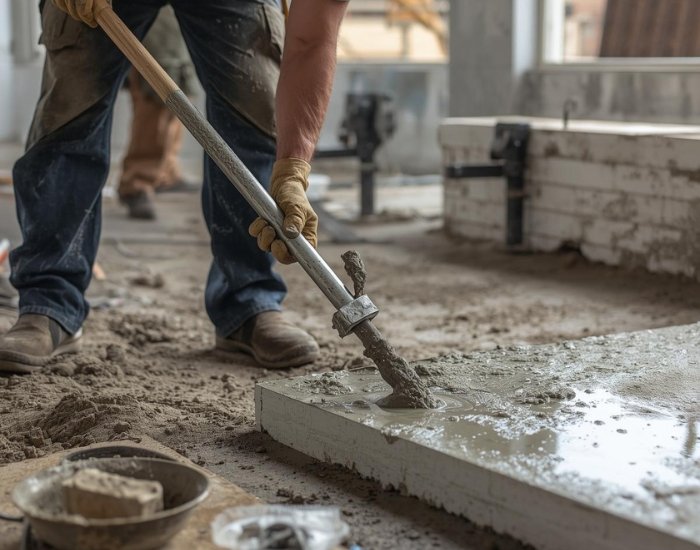
Pouring a concrete slab may seem straightforward, but achieving a durable, level, and long-lasting surface requires proper planning, preparation, and execution. Following the best practices for pouring a concrete slab ensures structural strength, proper drainage, and resistance to cracking, shifting, and premature wear.
In Texas, including areas like Katy, Cypress, and Spring, soil movement, heat, and moisture fluctuations can impact concrete performance. Using correct installation techniques helps concrete slabs withstand these environmental challenges and maintain long-term durability.
This guide explains industry-proven slab pouring methods, preparation steps, and professional tips to ensure a successful concrete project.
Table of Contents
- Planning and Site Preparation
- Building a Strong Subgrade Foundation
- Formwork and Reinforcement Setup
- Proper Concrete Mixing and Delivery
- Pouring and Leveling Techniques
- Finishing and Surface Treatment Methods
- Curing and Long-Term Protection
- FAQs
- Final Thoughts
1. Planning and Site Preparation
Successful slab installation begins long before concrete arrives on site. Proper planning ensures correct slab thickness, reinforcement type, and drainage design. Contractors evaluate soil conditions, moisture levels, and load requirements to determine the right slab structure.
Site preparation includes clearing debris, vegetation, and loose soil. The ground must be graded to direct water away from the slab to prevent pooling and erosion. Poor preparation often leads to slab settlement, cracking, or drainage problems later. Taking time during this stage significantly improves long-term slab performance.
2. Building a Strong Subgrade Foundation
The subgrade is the compacted base layer beneath the concrete slab. A stable subgrade prevents slab sinking and uneven settling over time. Typically, contractors install and compact gravel or crushed stone to create a solid, well-drained foundation.
Proper compaction eliminates air pockets and weak zones that could cause slab movement. In areas with expansive Texas soil, additional stabilization methods may be required. A properly prepared subgrade is one of the most important best practices for pouring a concrete slab because it directly affects slab strength and longevity.
3. Formwork and Reinforcement Setup
Formwork creates the shape and boundary of the slab, ensuring consistent thickness and straight edges. Forms are usually made from wood or metal and must be securely anchored to prevent shifting during the pour.
Reinforcement materials like rebar or wire mesh improve slab strength and help prevent cracking. Reinforcement is especially important for driveways, garage floors, and commercial slabs that carry heavy loads. Proper placement ensures reinforcement remains centered inside the slab rather than sinking to the bottom during pouring.
4. Proper Concrete Mixing and Delivery
Concrete quality directly impacts slab durability. Proper mixing ratios of cement, water, sand, and aggregates ensure strength and consistency. Too much water weakens concrete, while too little makes it difficult to work with and finish properly.
Temperature and weather conditions also affect mixing and curing. In hot climates, contractors may use additives to slow curing and prevent rapid moisture loss. Professional concrete suppliers and contractors ensure consistent mix quality and timely delivery to prevent premature setting before placement.
5. Pouring and Leveling Techniques
Once concrete is delivered, it must be poured quickly and evenly. Workers spread concrete using tools like rakes and shovels to fill forms completely. Proper pouring technique prevents air pockets and weak spots inside the slab.
After placement, screeding tools level the surface by removing excess concrete and filling low spots. Bull floating follows to smooth the surface and push aggregate slightly below the surface layer. Maintaining consistent slab thickness during pouring is essential for structural integrity and long-term durability.
6. Finishing and Surface Treatment Methods
Finishing determines both the appearance and performance of the slab surface. Different finishes serve different purposes depending on the application. For example, broom finishes improve traction for driveways and sidewalks, while smooth finishes are often used indoors.
Timing is critical during finishing. Finishing too early can trap water inside the slab, weakening the surface. Finishing too late can make surface work difficult and lead to uneven textures. Contractors may also apply sealers to protect against moisture penetration, stains, and surface wear.
7. Curing and Long-Term Protection
Curing is one of the most overlooked but critical best practices for pouring a concrete slab. Proper curing allows concrete to gain strength gradually by retaining moisture during the hydration process.
Typical curing methods include water curing, curing compounds, or protective coverings. Concrete usually reaches most of its strength within 28 days, but curing during the first week is especially important. Proper curing prevents surface cracking, improves durability, and increases resistance to weather damage. In Texas climates, protecting fresh concrete from extreme heat and rapid drying is essential for long-term slab performance.
8. FAQs
1. What is the most important step when pouring a concrete slab?
Proper site preparation and subgrade compaction are critical for preventing sinking and cracking.
2. How thick should a residential concrete slab be?
Most residential slabs are 4 inches thick, but driveways or load-bearing slabs may require 6 inches or more.
3. How long should concrete cure before heavy use?
Light foot traffic is usually safe after 24–48 hours, but heavy loads should wait at least 7 days.
4. Can weather affect concrete slab installation?
Yes. Extreme heat, cold, or rain can impact curing, strength, and surface quality.
5. When should reinforcement be used in concrete slabs?
Reinforcement is recommended for driveways, garage floors, commercial slabs, and areas with unstable soil.
9. Final Thoughts
Following the best practices for pouring a concrete slab ensures long-term strength, durability, and structural performance. From proper site preparation and reinforcement to correct pouring and curing methods, each step plays a crucial role in preventing costly repairs and premature failure.
High-quality concrete installation protects your investment and ensures safe, stable surfaces for years to come.
If you’re planning a new slab installation, driveway, or concrete repair project, working with experienced professionals ensures the job is done correctly from start to finish. The team at Active Concrete Works provides expert concrete installation, slab evaluation, and long-lasting solutions designed for Texas soil and climate conditions. Contact us today to schedule your inspection and get a reliable, professionally installed concrete slab.