
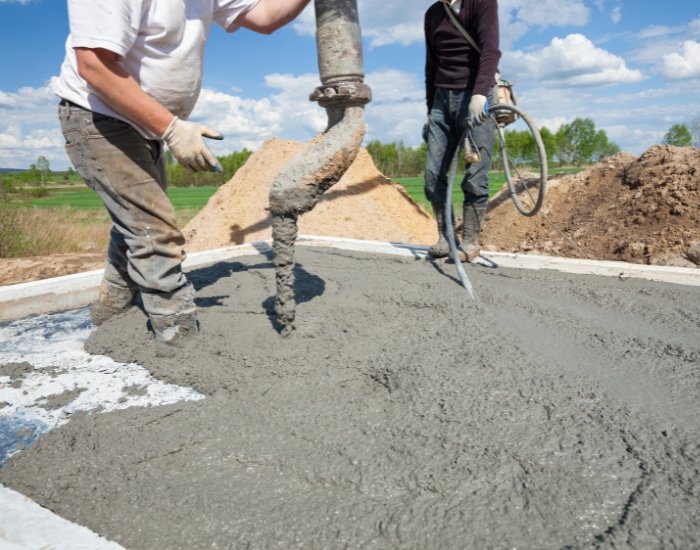
Concrete surfaces are an essential part of both residential and commercial properties, from driveways and sidewalks to patios, garage floors, and industrial slabs. Over time, these surfaces can become uneven, crack, or sink, creating safety hazards and aesthetic issues. Property owners often face a key decision: should they repair the existing concrete through slab leveling, or remove and replace the entire section? Understanding the pros, cons, and costs of each approach is crucial for making an informed decision that protects your property and budget.
In Texas areas such as Katy, Cypress, and Spring, soil conditions and moisture fluctuations play a big role in concrete performance. This article explains the differences between slab leveling and replacement, outlines their advantages, and highlights which option tends to save more money in the long run.
Table of Contents
- What Is Concrete Slab Leveling?
- When Is Slab Replacement Necessary?
- Cost Comparison: Leveling vs Replacement
- Pros and Cons of Slab Leveling
- Pros and Cons of Slab Replacement
- Factors That Affect Costs and Longevity
- Safety Considerations and Property Value
- FAQs
- Final Thoughts
1. What Is Concrete Slab Leveling?
Concrete slab leveling is a repair method designed to restore uneven or sunken slabs without the need for full replacement. Sometimes called mudjacking or polyurethane foam injection, this technique works by filling voids under the slab and carefully lifting it back into position. Slab leveling is commonly used for driveways, sidewalks, garage floors, patios, pool decks, and entryways. Because the existing concrete remains intact, the process is faster, less disruptive, and more cost-effective than removing and replacing the slab. In addition to restoring a level surface, slab leveling can improve drainage, eliminate trip hazards, and extend the life of the concrete.
2. When Is Slab Replacement Necessary?
While slab leveling is effective for minor to moderate sinking or uneven surfaces, there are situations where replacement is the only practical solution. Replacement becomes necessary when the slab is severely cracked, the reinforcement within the concrete (such as rebar or mesh) is damaged or corroded, or water damage has caused significant soil erosion beneath the slab. Slabs that have experienced extreme structural stress or heavy loads may also require replacement to ensure long-term stability. Full replacement involves removing the existing concrete, preparing the subgrade, and pouring a new slab, which guarantees durability and a uniform appearance but requires more time, labor, and cost compared to leveling.
3. Cost Comparison: Leveling vs Replacement
Cost is often the most significant factor when deciding between slab leveling and replacement. Slab leveling typically uses filler materials and requires moderate labor, making it significantly less expensive than full replacement. It can often be completed in one to two days with minimal disruption to the property. In contrast, replacement involves demolition, subgrade preparation, pouring, and finishing, which increases labor and material costs.
Additionally, replacement may require several days to cure before it can be used, leading to more downtime. On average, slab leveling can save 50–70% compared to replacement for the same surface area, making it an attractive option for many residential and commercial property owners while still providing durable results.
4. Pros and Cons of Slab Leveling
Pros:
- Cost-effective solution for minor sinking
- Quick process with minimal disruption
- Maintains existing landscaping and surfaces
- Can restore drainage and eliminate trip hazards
- Eco-friendly, as it reuses existing concrete
Cons:
- May not be suitable for severely damaged slabs
- Longevity is shorter than full replacement
- May require future touch-ups if soil conditions worsen
Slab leveling is ideal for homeowners who want a fast, affordable fix without replacing the entire slab.
5. Pros and Cons of Slab Replacement
Pros:
- Permanent solution for severely damaged slabs
- Can be designed with modern reinforcement for durability
- Provides a clean, uniform appearance
- Better long-term investment for heavy-load areas
Cons:
- Higher cost due to materials and labor
- Longer downtime for the area being replaced
- Significant disruption to landscaping or surrounding property
- Requires curing time before use
Replacement is generally better for industrial areas, commercial parking lots, or heavily trafficked residential driveways that cannot risk repeated leveling.
6. Factors That Affect Costs and Longevity
Several variables influence whether slab leveling or replacement is more cost-effective:
- Soil Type: Expansive clay in Texas increases the risk of repeated settling, which may favor replacement for long-term stability.
- Moisture Conditions: Poor drainage or underground leaks can accelerate soil movement, impacting leveling results.
- Slab Thickness & Reinforcement: Thin slabs or slabs with damaged rebar may not respond well to leveling.
- Load Requirements: Heavy vehicles, machinery, or commercial traffic may require full replacement for safety.
- Local Labor & Material Costs: Prices vary by city and contractor, affecting the overall savings potential.
Careful evaluation by a professional contractor is essential to ensure that the selected method meets structural needs while staying within budget.
7. Safety Considerations and Property Value
Uneven or sunken slabs can create trip hazards, drainage issues, and structural risks. Addressing these problems promptly not only protects residents, employees, and visitors but also preserves property value.
Slab leveling restores level surfaces quickly, preventing accidents and liability claims. Replacement ensures long-term durability and often adds aesthetic appeal, which can increase curb appeal and resale value.
FAQs
1. How much does concrete slab leveling cost compared to replacement in Katy, TX?
Concrete slab leveling usually costs 50–70% less than full replacement, depending on slab size, soil conditions, and the extent of settling.
2. Can slab leveling fix sunken driveways in Cypress, TX?
Yes, slab leveling is effective for driveways that have minor to moderate sinking, lifting the concrete back to its original level without full replacement.
3. How long does slab leveling take versus replacement in Spring, TX homes?
Slab leveling can often be completed in 1–2 days, while replacement may take 3–7 days depending on slab size and curing time.
4. Is concrete slab leveling durable for residential and commercial properties?
Yes, leveling is durable for many applications, but long-term results depend on soil stability, proper drainage, and load requirements.
5. When is replacement a better option than slab leveling in Texas?
Replacement is better when the slab is severely cracked, structurally compromised, or under heavy load that leveling cannot support.
Final Thoughts
Choosing between concrete slab leveling and replacement requires careful consideration of the slab’s condition, soil type, water drainage, and budget. For many homeowners and businesses in Katy, Cypress, and Spring, slab leveling offers a cost-effective, fast, and minimally disruptive solution. However, when structural damage is extensive or long-term durability is critical, replacement may be the wiser choice.
By consulting experienced professionals, you can select the repair method that maximizes safety, longevity, and value while minimizing unnecessary costs.
If your concrete surfaces are sinking, cracking, or uneven, the team at Active Concrete Works can evaluate your property and recommend whether slab leveling or replacement is the best solution for your needs. Contact us today for a free inspection and estimate.